AI is a tool, marketers, not a shortcut: Lessons from the British Museum image controversy.
Last week the British Museum found itself in the midst of an unexpected controversy after posting a series of AI-generated images to its Instagram feed, only to take them down later amid a very strong public backlash. The images had depicted a fictional visitor exploring museum artefacts, and within hours many followers had criticised the posts, prompting the museum to remove them and clarify that it does not normally publish AI-created visuals.
This incident highlights to me something important about how AI is perceived today, and why we, especially in modern marketing teams, must approach it carefully and transparently.
Let’s be honest, AI can be an extraordinary tool. As a marketer, I’ve seen it increase efficiency, often offer a second pair of eyes, and it can really help teams scale creative task planning that once demanded disproportionate time. Whether that’s generating storyboard concepts, proofing copy, suggesting visual directions, or automating tedious edits, AI can be a force-multiplier when used appropriately.
But there’s a major difference between using a tool and misrepresenting its output.
The backlash against the British Museum example wasn’t necessarily about AI itself, I felt it was more to do with authenticity and trust.
People expect to see real human creativity in contexts like art, heritage and culture, especially from institutions with deep histories and responsibilities. When AI imagery is shared without clear disclosure, particularly in places where authenticity matters, it can feel utterly misleading. That matters not only from an ethical standpoint, but from a brand trust perspective too.
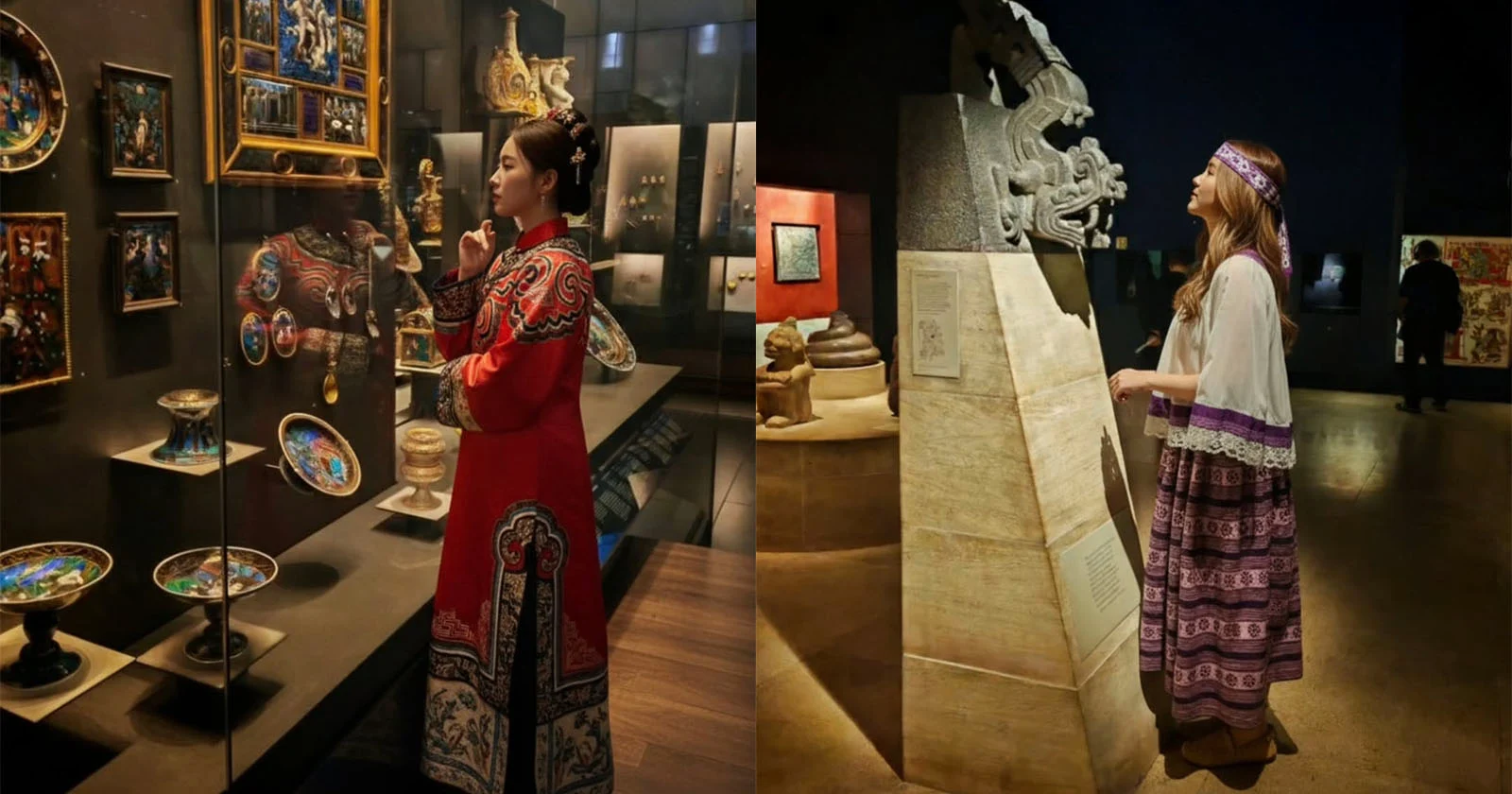
Post containing AI generated image shared by the British Museum, Screenshot by Steph Black before the series was removed
When researching this ahead of writing this article, I came across a video which I will paste a link to at the end of this piece from YouTube creator Louise Archaeology, who goes into detail on this particular event if you’d like more context. Her sentiment is clear, she feels let down by the Museum, not because it used AI, but because it chose to use artificially generated content from an untrusted source, when there is an abundance of rich imagery within their four walls that a lot of people may feel priced out of being able to see first hand. Trust and loyalty take a hit between the eyes right there!
Was I upset by their use of AI? Not at all. In fact, I can see why they chose to do so. The (loose) creative brief may have been about people from certain cultures from moments in history, looking at artefacts that represented their communities. Nice right? It just feels so slapdash in the execution and in no way thoroughly planned, and that’s the part I don’t like.
For me, it’s a higher level concept we’re discussing here. Would you do harm to your brand’s reputation by not strategically considering what you are putting in your shop window?
We’ve also seen how AI imagery when unlabelled has circulated widely in other areas, even being used to depict fabricated news events such as storms or disasters, which can understandably cause alarm and panic when viewers assume they are real. These kinds of misuses not only erode trust in visual media, they risk damaging the credibility of organisations and that’s something marketers should actively guard against.
AI isn’t inherently good or bad, for us it’s a tool. And like any tool, its value depends on how thoughtfully it’s wielded. In professional marketing teams, that means adopting AI to:
- augment human creativity, not replace it
- clarify intent, not obscure it
- support transparency, not mislead audiences
Used responsibly, AI can help craft compelling stories, improve efficiency, and free up creative talent to focus on strategic storytelling that machines still can’t replicate. I think it was Ben Affleck who spoke eloquently on this recently, talking about how Ai would never be able to write great TV shows or movies because it will always lack the degree of emotional intelligence to capture a story and will always go straight to the mean – straight down the middle. Our campaigns can’t feel like that, nor can our stories or designs. Hence the overly laboured point – human first, AI as a tool.
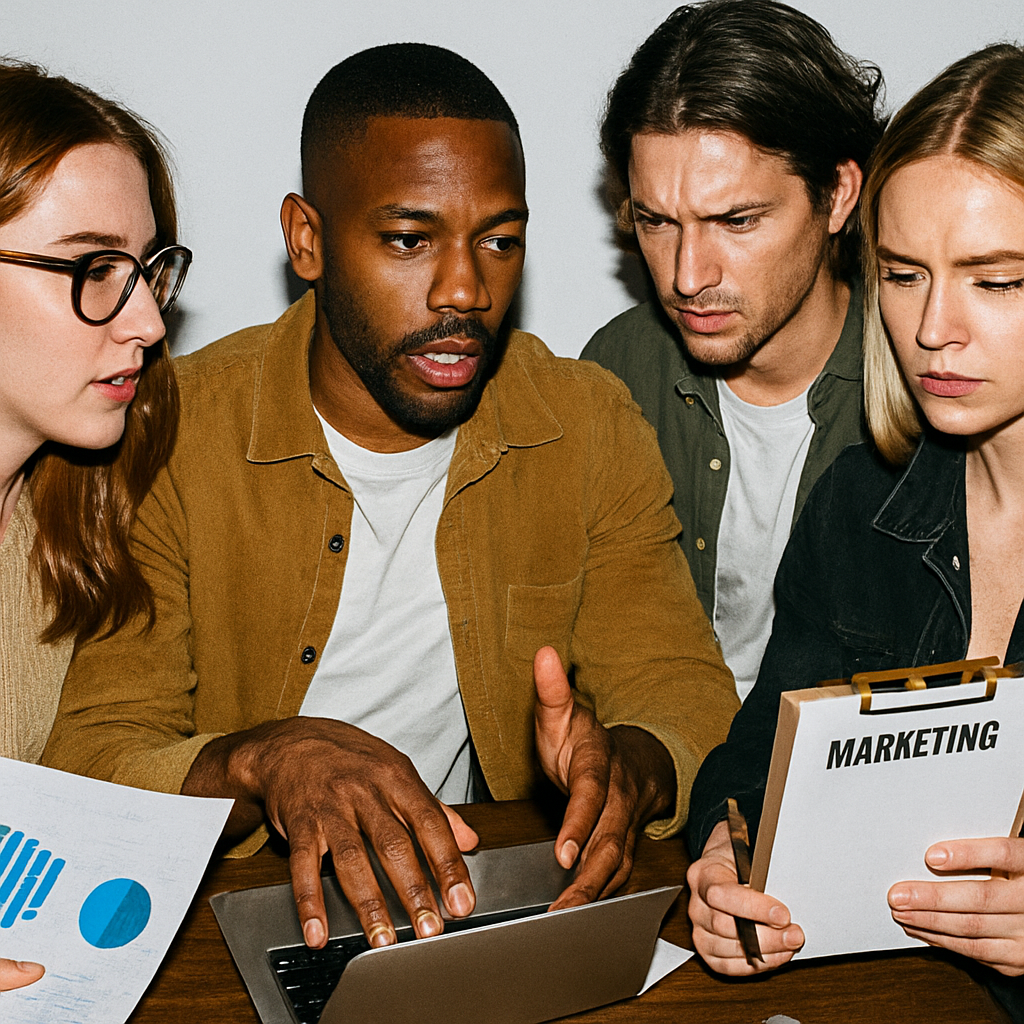
But we must be open and honest about when and how AI is used, especially as audiences become more aware and discerning. Check out the image below – first quick glance it’s a team with severe boundary issues, on closer inspection – what on earth is happening to the laptop and why does the woman on the left print her department name on the back of a surreal clipboard?
At the end of the day, people connect with genuine human expression. That’s something no algorithm can fully replicate, and it’s why we should embrace AI as a partner in the creative process, and not a substitute for real-world authenticity.
NECL
For more context into the British Museum story, check this out from YouTube creator Louise Archaeology: https://www.youtube.com/watch?v=BgAt0oV80Yc